
Last reviewed: July 2026. Checked against American Dental Association and Mayo Clinic guidance.
A throbbing tooth at 2am is one of the most miserable kinds of pain there is, and it rarely waits for office hours. The good news is that several genuinely effective, dentist-backed methods can calm tooth pain within minutes while you arrange a proper appointment. The honest news, which most quick-fix articles skip, is that none of these methods cure the actual problem, and treating a toothache as a one-time inconvenience rather than a signal from your body is how small cavities turn into root canals. This guide covers the fast relief methods that actually work, what to avoid, and the warning signs that mean home care is not enough.
Quick Answer: Fastest Tooth Pain Relief Methods
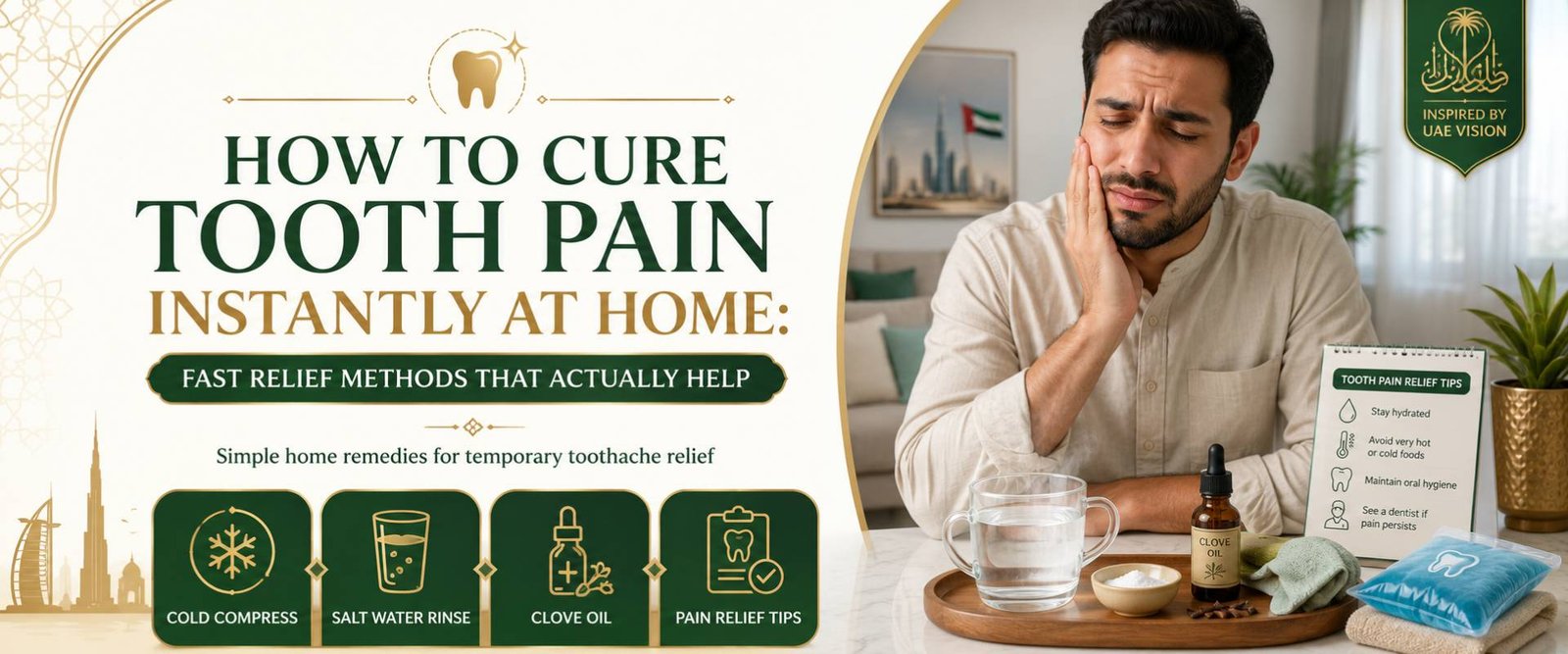
- Warm saltwater rinse, the single most recommended first step by dentists, reduces inflammation and clears debris
- Cold compress against the cheek, numbs the area and reduces swelling within 15 to 20 minutes
- Over-the-counter pain relievers, ibuprofen or acetaminophen, taken as directed on the label
- Clove oil, applied sparingly on a cotton ball, has natural numbing properties
- Elevating your head while lying down, reduces blood flow to the area and eases night-time throbbing
- None of these fix the underlying cause. They buy you time until you see a dentist.
Why Does Tooth Pain Happen?
Understanding the cause helps you judge how urgently you need professional care, not just relief.
Common Causes of Sudden Tooth Pain
- Tooth decay and cavities, the most common cause, where bacteria eat through enamel and expose sensitive inner layers
- Trapped food or plaque buildup between teeth, especially where gaps exist
- Cracked or fractured teeth, often from grinding, trauma, or biting something hard
- Dental abscess, a pocket of infection at the root or in the gum, which can become a genuine medical emergency
- Gum disease, causing inflammation and sensitivity around the tooth
- Sinus pressure, which can mimic tooth pain in the upper back teeth without any dental cause at all
Most causes of sudden tooth pain are entirely treatable once a dentist actually looks at the tooth, which is worth remembering while you manage the pain overnight.
Fast Relief Methods You Can Try Right Now
Warm Saltwater Rinse
- Dissolve about half a teaspoon of salt in a cup of warm water
- Swish gently for 30 seconds and spit, do not swallow
- Repeat several times a day; it flushes debris and reduces gum inflammation without any downside
Cold Compress
- Wrap ice or a cold pack in a cloth and hold it against the outside of your cheek near the painful tooth
- Use in 15 to 20 minute intervals
- Especially effective if the pain followed an injury or trauma to the tooth, since it limits swelling early
Over-the-Counter Pain Relievers
- Ibuprofen and naproxen reduce both pain and inflammation, which makes them particularly effective for dental pain specifically
- Acetaminophen is a reasonable alternative if you cannot take NSAIDs
- Always follow the dosage instructions on the packaging, and check with a pharmacist if you are on other medication
Clove Oil
- Clove oil contains eugenol, a compound with genuine mild anesthetic and antibacterial properties that has been used in dentistry for generations
- Apply a small amount to a cotton ball and dab it gently against the affected tooth and gum, rather than pouring it directly into the mouth
- Too much clove oil can irritate the gum tissue, so less is more here
Hydrogen Peroxide Rinse
- Swish a diluted 3% hydrogen peroxide solution for a few seconds, then spit it out completely
- Rinse thoroughly with plain water afterward
- Helps reduce bacteria and can clear a bad taste caused by infection, but should never be swallowed
Peppermint Tea Bags
- Steep a tea bag as normal, then let it cool slightly until warm, not hot
- Press it against the painful tooth or gum for a soothing, mildly numbing effect
- A gentle option if stronger remedies feel too harsh on sensitive gums
Temporary Filling Repair Kits
- If a filling or crown has come loose, pharmacy-bought temporary repair kits, usually made from zinc oxide or similar dental cement, can plug the exposed area and shield it from air and food
- These are genuinely useful as a stopgap but are explicitly designed to be short-term; the exposed nerve underneath still needs a permanent filling
- Do not use a temporary kit as a reason to delay booking an appointment, since it only masks the exposed area rather than protecting it indefinitely
What to Avoid When You Have a Toothache
Some once-common advice is now known to cause more harm than good.
- Never place aspirin or any painkiller tablet directly against the gum or tooth. This is a genuinely common mistake, and it can chemically burn the gum tissue rather than relieve any pain
- Be cautious with benzocaine gels. These numbing products were long recommended for toothache, but the FDA has warned they carry a rare but serious risk of a blood condition called methemoglobinemia. Check with a pharmacist or doctor before using one, and avoid them in young children entirely
- Avoid very hot, cold, sugary or acidic foods and drinks while the tooth is sensitive, since they can sharply worsen the pain
- Avoid hard, sticky or chewy foods that put pressure directly on the affected tooth
- Do not skip flossing out of fear of pain. Gently removing trapped food is often part of the relief, not a cause of more pain
Warning Signs That Mean You Need Emergency Care Now
This is the part every home remedy list should lead with, not bury. Contact a dentist urgently, or go to an emergency room, if your toothache comes with any of the following:
- Facial or jaw swelling, particularly if it is spreading
- Fever
- Difficulty breathing or swallowing, which needs emergency department care immediately, not a home remedy
- Pain that lasts more than one to two days without easing
- A foul-tasting discharge or visible pus, a sign of an active infection
- Severe pain when biting down
These symptoms can indicate a dental abscess, an infection that can spread beyond the tooth into deeper tissue and, in rare but documented cases, into the bloodstream. According to the American Dental Association’s MouthHealthy resource, these situations count as genuine dental emergencies rather than something to manage overnight and reassess later.
Why Home Remedies Are Not a Cure
This is worth saying plainly, since it is the part most “instant relief” articles gloss over. A saltwater rinse, a cold compress, or an ibuprofen tablet can make the pain bearable, sometimes dramatically so. None of them repair a cavity, drain an abscess, or fix a cracked tooth. If an abscess ruptures on its own, the pain can suddenly drop, which feels like relief but is not resolution; the infection is often still present and needs treatment. Mayo Clinic’s toothache guidance is explicit on this point: self-care steps are a bridge to a dental appointment, not a substitute for one.
When to See a Dentist
- If pain persists beyond one to two days, even at a mild level
- If the pain is triggered specifically by hot, cold or sweet foods and lingers afterward
- If you notice a visible chip, crack, or dark spot on the tooth
- If a filling or crown has come loose or fallen out
- If you are simply unsure whether the pain is serious. A quick call to a dental office costs nothing and can rule out anything urgent
If you are a UAE resident, it is worth checking your policy’s dental benefits before booking treatment, since coverage for dental care varies significantly between basic and enhanced health insurance plans. Our guide to individual vs family health insurance plans in Dubai covers what different plan tiers typically include.
Preventing Tooth Pain Long-Term
The most reliable toothache treatment is the one you never need.
- Brush twice daily with fluoride toothpaste
- Floss once a day to remove the plaque a toothbrush cannot reach
- Limit sugary and acidic foods and drinks, which feed the bacteria that cause decay
- Drink water after meals to help rinse the mouth naturally
- Keep up with regular dental checkups, since a small cavity caught early is a five-minute filling, not an emergency
- Wear a mouthguard for sports or if you grind your teeth at night
Frequently Asked Questions
What is the fastest way to relieve tooth pain at home?
A warm saltwater rinse combined with a cold compress and an over-the-counter pain reliever like ibuprofen is generally the fastest, safest combination for temporary relief.
Can tooth pain go away on its own?
Pain can subside temporarily, sometimes because an abscess has drained, but the underlying cause almost never resolves on its own and typically needs professional treatment.
Why does tooth pain feel worse at night?
Lying down increases blood flow to the head, which can intensify throbbing, and there are fewer daytime distractions to take your mind off the pain. Elevating your head on extra pillows can help.
Is it safe to put aspirin directly on a painful tooth?
No. This is a widely repeated but incorrect home remedy. Aspirin placed directly against the gum can burn the tissue rather than relieve pain. Take it orally as directed instead.
When is a toothache a medical emergency?
When it comes with facial swelling, fever, or difficulty breathing or swallowing. These signs suggest an infection may be spreading and require emergency care immediately.
Do natural remedies like clove oil actually work for tooth pain?
Clove oil has genuine mild anesthetic properties due to its eugenol content and can provide short-term relief, but like every remedy on this list, it treats the symptom, not the cause.