
Exploring how healthcare quality, prevention, medical innovation, and public wellbeing contribute to productivity, resilience, and long-term prosperity across the UAE.
Healthcare is one of the most important foundations of modern society. Beyond treating illness, strong healthcare systems improve quality of life, support economic productivity, strengthen communities, and help create environments where individuals can thrive. Healthy populations are better positioned to learn, work, innovate, and contribute to long-term social and economic development.
As nations evolve, healthcare becomes increasingly connected to every aspect of daily life. From preventative care and disease management to mental wellbeing and emergency preparedness, healthcare systems influence both individual outcomes and collective prosperity. Access to quality healthcare can improve life expectancy, reduce preventable illnesses, and create greater opportunities for people to participate fully in education, employment, and community life.
Healthcare also plays a significant role in national competitiveness. Countries that invest in medical infrastructure, skilled healthcare professionals, scientific research, and public health initiatives are often better equipped to adapt to demographic changes, emerging health challenges, and future economic demands. Strong healthcare systems support resilient societies capable of responding to both everyday health needs and unexpected crises.
As technology continues to reshape the healthcare landscape, the focus is increasingly shifting toward prevention, personalized care, digital innovation, and long-term wellbeing. These developments are helping transform healthcare from a reactive service into a proactive system designed to improve outcomes across entire populations.
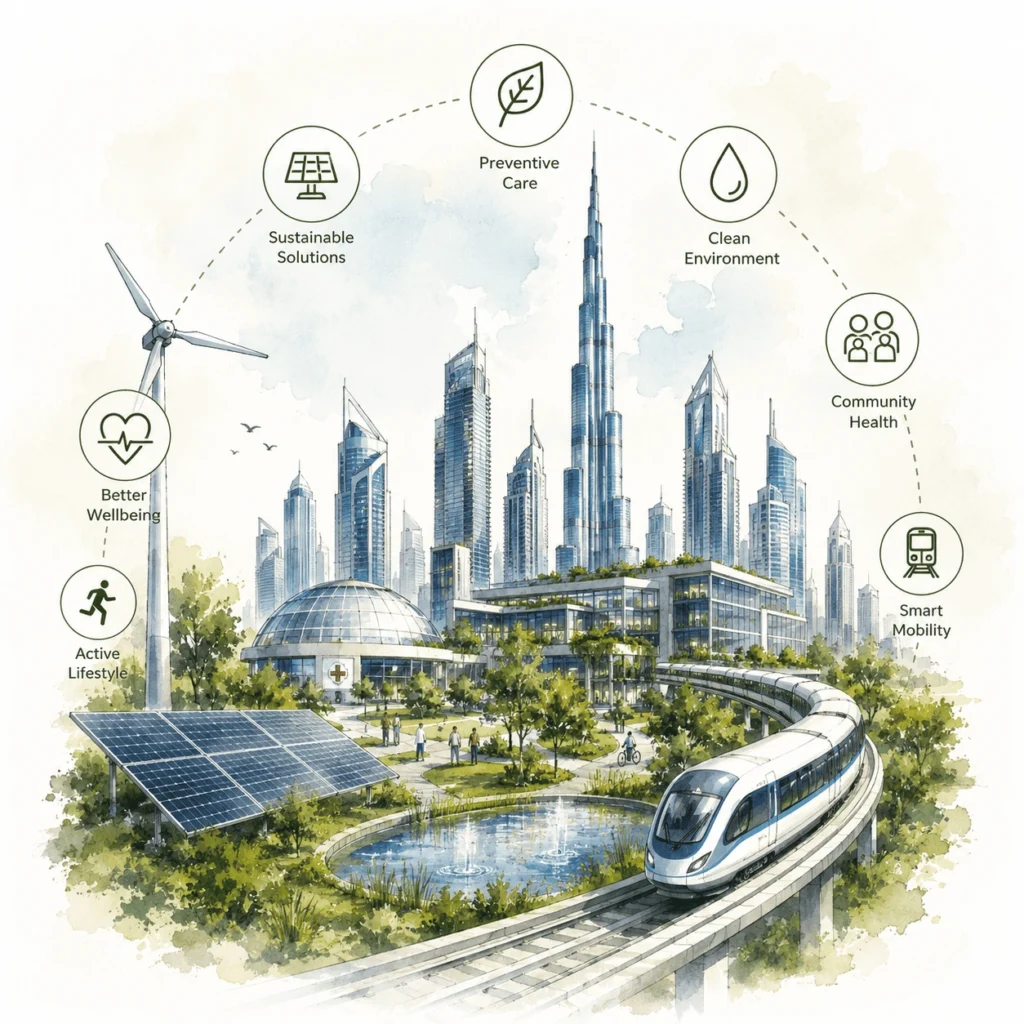
Supporting healthier lifestyles, reducing avoidable risks, and improving long-term wellbeing.
Delivering safe, effective, and high-quality care through skilled professionals and modern facilities.
Advancing healthcare through technology, scientific discovery, and data-driven solutions.
Promoting physical, mental, and social health across individuals, families, and communities.
Modern healthcare systems are built upon the interaction of these four pillars. Prevention reduces the burden of disease before it develops. Medical excellence ensures patients receive effective treatment when needed. Research and innovation continually improve healthcare outcomes, while community wellbeing initiatives address broader factors that influence health beyond hospitals and clinics.
Together, these pillars create healthcare systems that are not only capable of treating illness but also supporting healthier populations, stronger economies, and greater resilience. The most successful healthcare environments recognize that health is influenced by a combination of medical care, lifestyle choices, education, technology, and social conditions.
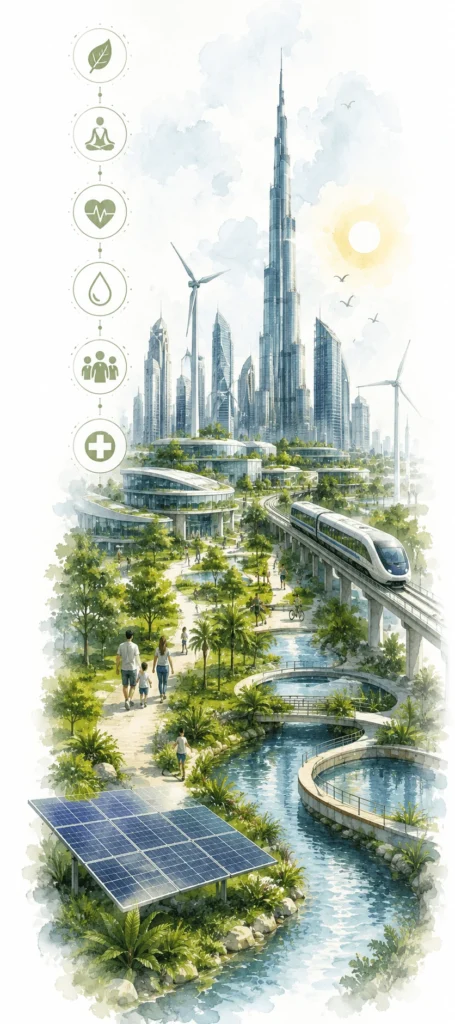
One of the most effective approaches to healthcare is prevention. Rather than focusing solely on treating illness after it occurs, preventive healthcare seeks to identify risks early, encourage healthy behaviors, and reduce the likelihood of chronic disease. This approach improves individual wellbeing while helping healthcare systems manage resources more efficiently.
Many of the health challenges faced by modern societies are linked to lifestyle factors such as physical inactivity, poor nutrition, smoking, stress, and inadequate preventive care. Conditions including cardiovascular disease, diabetes, respiratory illnesses, and certain forms of cancer can often be reduced through a combination of awareness, early detection, and healthier living habits.
Preventive healthcare includes a wide range of initiatives such as regular health screenings, vaccination programs, health education campaigns, workplace wellness initiatives, and community-based health programs. These measures help individuals better understand their health and take proactive steps to improve it.
Early detection is particularly important. Identifying health conditions in their initial stages often allows for more effective treatment and better long-term outcomes. Screening programs and routine medical checkups play an important role in reducing complications and improving quality of life.
The benefits of prevention extend beyond healthcare outcomes. Healthier populations contribute to stronger workforce participation, lower healthcare costs, and greater social resilience. By reducing the prevalence of preventable illnesses, societies can direct more resources toward innovation, education, and long-term development while supporting healthier lives for future generations.
Health is influenced by far more than access to medical services. The environments in which people live, work, learn, and socialize all contribute to overall wellbeing. Healthy communities create conditions that support positive lifestyle choices, stronger social connections, and improved physical and mental health.
Public spaces, recreational facilities, walking paths, sports programs, and community initiatives all encourage active lifestyles. Access to nutritious food, quality education, and supportive social networks further strengthens individual and community wellbeing. These factors work together to create healthier environments where people can maintain better physical and mental health throughout their lives.
Mental wellbeing is also an essential component of healthy communities. Increasing awareness of mental health, reducing stigma, and improving access to support services contribute to stronger, more resilient societies. Emotional wellbeing affects productivity, relationships, education outcomes, and overall quality of life.
Community engagement plays an equally important role. Strong social connections help reduce isolation, encourage healthier behaviors, and provide support during difficult circumstances. Communities that prioritize wellbeing often experience greater resilience and stronger social cohesion.
| Area | Contribution |
|---|---|
| Prevention | Reduces avoidable illness and health risks |
| Medical Care | Supports treatment, recovery, and long-term health |
| Public Health | Improves population-wide wellbeing |
| Technology | Enhances efficiency, access, and outcomes |
| Research | Drives innovation and medical advancement |
| Community Support | Strengthens quality of life and resilience |
Healthcare is undergoing significant transformation through advances in technology and research. Digital tools, artificial intelligence, telemedicine, wearable devices, and data analytics are helping improve patient experiences while expanding access to healthcare services.
Artificial intelligence is increasingly being used to assist healthcare professionals with diagnostics, imaging analysis, treatment planning, and predictive healthcare insights. These technologies help improve efficiency while supporting more informed clinical decisions.
Telemedicine has expanded healthcare access by allowing patients to connect with healthcare providers remotely. This approach helps reduce geographical barriers and improves convenience for individuals seeking consultations, follow-up care, and specialist advice.
Wearable technologies and health-monitoring devices are also changing the way people manage their wellbeing. Real-time health data enables individuals to monitor activity levels, sleep patterns, heart health, and other important indicators, encouraging more proactive health management.
Medical research continues to drive progress across numerous fields, including biotechnology, pharmaceuticals, genetics, and precision medicine. These innovations contribute to earlier diagnoses, more targeted treatments, and improved patient outcomes.
As technology continues to evolve, healthcare systems will increasingly rely on data-driven decision-making, integrated digital platforms, and advanced research capabilities to improve efficiency, accessibility, and overall quality of care.

One of the primary goals of modern healthcare is not only helping people live longer but helping them live healthier lives. Increasing life expectancy is important, but equally important is improving the number of years individuals can enjoy good physical, mental, and social wellbeing.
Healthy aging is becoming a growing priority as populations around the world continue to evolve. Healthcare systems increasingly focus on supporting individuals throughout every stage of life, from childhood development and preventive care to healthy aging and long-term wellbeing.
Preventive screenings, early intervention programs, and ongoing health monitoring help identify potential issues before they become serious. These approaches improve health outcomes while reducing the burden of chronic disease and long-term healthcare costs.
Mental health also plays a critical role in overall wellbeing. Emotional resilience, social connection, and access to support services contribute significantly to quality of life. Modern healthcare systems increasingly recognize the importance of integrating physical and mental healthcare into broader wellbeing strategies.
Accessibility remains another important factor. Ensuring people can obtain quality healthcare when needed supports healthier populations and helps reduce disparities in health outcomes. Accessible healthcare contributes to stronger communities, greater workforce participation, and improved social resilience.
Healthcare and economic development are closely connected. Healthy populations are generally more productive, more innovative, and better equipped to contribute to economic growth. Workforce participation, educational achievement, and overall productivity are often influenced by population health outcomes.
Businesses and investors also benefit from strong healthcare systems. Access to quality healthcare supports employee wellbeing, reduces absenteeism, and contributes to a more stable and attractive business environment. Countries known for high-quality healthcare often become more competitive destinations for investment and talent.
Healthcare itself is also a major economic sector. Hospitals, research institutions, pharmaceutical companies, biotechnology firms, medical technology providers, and healthcare startups contribute significantly to economic activity, job creation, and innovation.
Medical tourism continues to expand in many regions as patients seek specialized treatments, advanced facilities, and high-quality healthcare services. Strong healthcare infrastructure can therefore support both domestic wellbeing and international economic opportunities.
As knowledge-based economies continue to grow, healthcare innovation becomes increasingly important. Research, technology development, and medical advancement create new industries while contributing to broader economic diversification and long-term prosperity.
Healthcare is expected to continue evolving rapidly as emerging technologies reshape how services are delivered and how health conditions are managed. Advances in artificial intelligence, robotics, data science, and genomics are opening new possibilities for personalized and preventive care.
AI-powered diagnostics may help healthcare providers identify diseases earlier and with greater accuracy. Predictive analytics can assist in identifying risk factors before symptoms appear, enabling more proactive interventions and improved health outcomes.
Personalized medicine is another area of significant growth. By combining genetic information with advanced data analysis, healthcare providers can develop treatments tailored to individual patients, improving effectiveness while reducing unnecessary interventions.
Robotics and automation are also transforming healthcare environments. From surgical procedures to logistics and patient support, these technologies have the potential to improve efficiency while enhancing patient experiences.
Remote healthcare services are expected to become increasingly common. Digital platforms, wearable devices, and connected health systems allow healthcare providers to monitor patients beyond traditional clinical settings, improving convenience and continuity of care.
These developments point toward a future where healthcare becomes more predictive, personalized, connected, and accessible. Innovation will continue to shape how societies approach wellbeing while creating new opportunities for economic growth and human development.

Healthcare extends far beyond hospitals, clinics, and medical treatments. It influences how people learn, work, innovate, and participate in society. Strong healthcare systems support healthier individuals, more resilient communities, and greater opportunities for long-term development.
As healthcare continues to evolve, the focus is increasingly shifting toward prevention, innovation, accessibility, and wellbeing. These priorities help create systems that not only respond to illness but actively support healthier lifestyles and better outcomes across entire populations.
The future of healthcare will be shaped by a combination of medical excellence, technological innovation, scientific research, and community wellbeing. Together, these elements create foundations that support both individual health and broader social progress.
Ultimately, healthcare is one of the most important pillars of sustainable prosperity. By investing in healthier people, societies create stronger economies, greater resilience, and more opportunities for future generations to thrive.